Best Season to Visit Ranthambore for Tiger Sightings
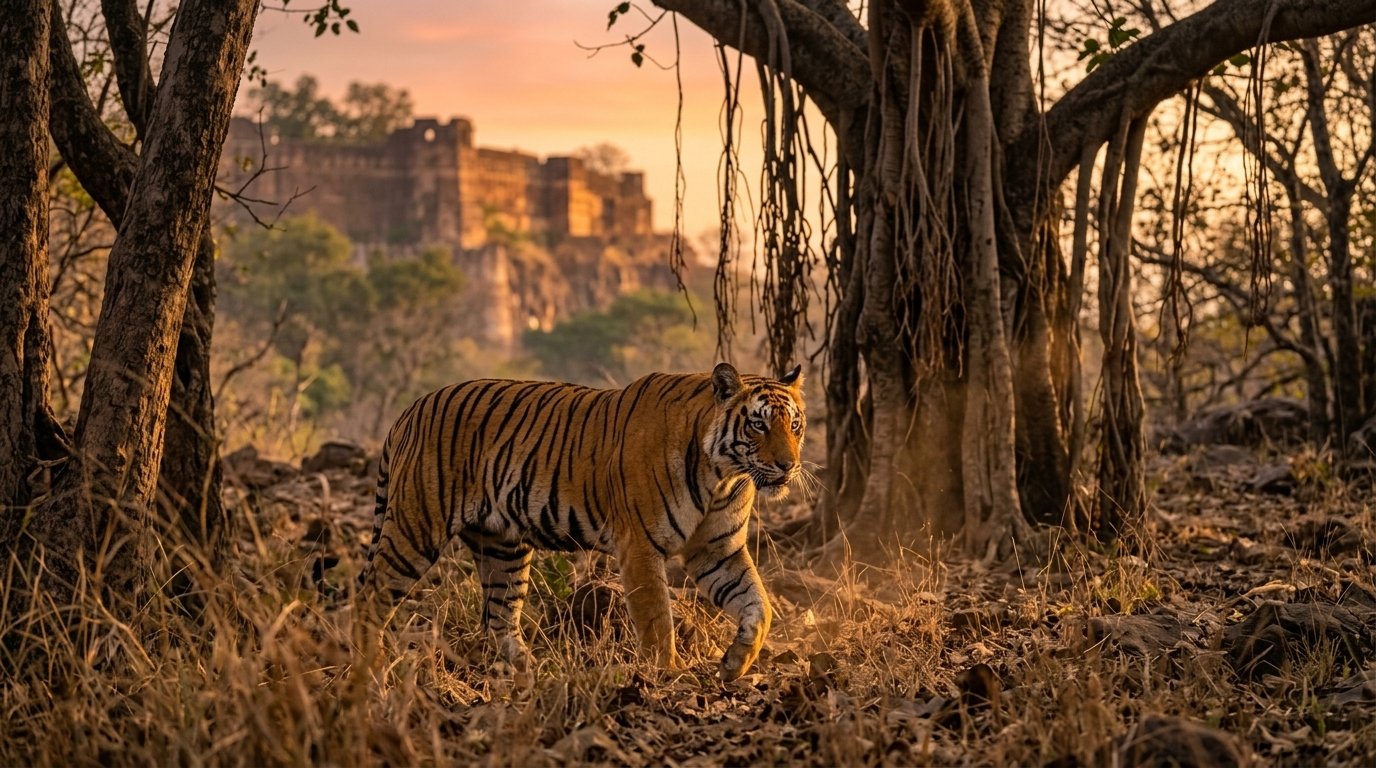
Best Season to Visit Ranthambore for Tiger Sightings: Why October Is a Great Time
If seeing a wild Bengal tiger is high on your travel list, choosing the right time to visit Ranthambore can make your safari experience even more rewarding.
Among the different months of the safari season, October is an excellent time to start planning a Ranthambore safari, particularly for travellers who want to experience the park as it transitions from the monsoon period into the cooler, drier months.
The landscape begins to change, safari conditions become more favourable, and wildlife activity can become easier to observe as vegetation gradually opens up.
However, there is one important thing every traveller should understand: no month or safari zone can guarantee a tiger sighting. Tigers are wild animals, and sightings depend on several factors, including weather, water availability, animal movement, habitat conditions and simple luck.
So, why does October stand out?
Let's take a closer look.
Why October Is a Great Month to Visit Ranthambore
October marks an interesting transition in Ranthambore.
After the monsoon period, the landscape is refreshed, while the forest gradually begins moving toward the drier conditions that characterise the later safari season.
For visitors, this can create a particularly enjoyable combination of:
- Pleasant safari conditions compared with the hotter months
- Fresh post-monsoon landscapes
- Increasing wildlife visibility as vegetation changes
- Good opportunities for morning and afternoon safaris
- The beginning of the popular winter safari period
For photographers and wildlife enthusiasts, October can also offer a beautiful contrast between the green remnants of the monsoon and the golden tones beginning to appear across the dry forest.
Does October Give You a Higher Chance of Seeing a Tiger?
This is where it is important to separate good safari conditions from guaranteed sightings.
October can be a very good month for wildlife viewing, but visiting during October does not automatically mean you will see a tiger.
Tiger movements are unpredictable. A tiger may spend hours resting in dense vegetation, move through areas inaccessible to visitors, or simply choose a different part of its territory on the day of your safari.
What October can provide is a favourable overall environment for safari observation.
As the season progresses, changes in vegetation and water availability can influence animal movements. Experienced naturalists and drivers also use recent wildlife movement information to decide where to spend time during a safari.
That is why a successful tiger safari is not simply about choosing a particular month.
Timing + safari duration + experienced guidance + suitable zones + patience + luck all play a role.
What Makes Ranthambore Special for Tiger Lovers?
Ranthambore is not simply a place to look for tigers.
Its appeal comes from the combination of wildlife, history, lakes, ancient ruins and dramatic landscapes.
The forest is famous for its Bengal tigers, but visitors may also encounter leopards, sloth bears, sambar deer, spotted deer, wild boar, crocodiles and a wide variety of bird species.
One of the most distinctive features of the park is the presence of historic structures within and around the forest landscape.
The result is a safari environment unlike many other wildlife destinations.
You could be watching a tiger near a water body with ancient architecture rising in the background—a scene that makes Ranthambore particularly memorable for photographers.
October Weather in Ranthambore
October generally brings a noticeable change from the intense heat associated with the later summer months.
The mornings can be relatively comfortable, while afternoons may still feel warm.
This makes clothing an important part of safari preparation.
What to Wear on an October Safari
For an October safari, consider carrying:
- Lightweight, comfortable clothing
- A light jacket or layer for early mornings
- Comfortable closed shoes
- Sunglasses
- A hat or cap
- Sunscreen
- A scarf or light protective layer against dust
The key is to dress in layers, particularly if you are taking an early morning safari.
Morning vs Afternoon Safari in October
One of the most common questions from first-time visitors is whether they should choose a morning or afternoon safari.
The answer is: if your schedule allows, experiencing both can be worthwhile.
Morning Safari
Morning safaris offer cooler temperatures and beautiful early-day light.
Wildlife may also be active during the cooler part of the day, making the morning particularly attractive to photographers.
The forest can feel completely different just after sunrise—quiet, cool and full of natural sounds.
Afternoon Safari
Afternoon safaris provide a different experience.
As temperatures change toward the later part of the day, animals may become active again.
The warm light near sunset can also create excellent photography conditions.
Rather than treating morning and afternoon as competing options, think of them as two different opportunities to experience the forest.
Which Ranthambore Safari Zone Is Best for Tiger Sightings?
This is another area where travellers often look for a simple answer:
“Which zone has the most tigers?”
In reality, there is no permanently guaranteed “best zone.”
Tiger territories change, and animals move.
A zone that produced an excellent sighting yesterday may be quiet today.
Likewise, a zone that appears less promising can suddenly produce an unforgettable encounter.
The better approach is to focus on recent wildlife movement information, zone availability, safari regulations and experienced local guidance rather than assuming that one particular zone will always produce the best sightings.
If tiger sightings are your priority, staying for multiple safaris can be a much more sensible strategy than trying to predict one perfect safari.
How Many Safaris Should You Plan for Better Tiger-Sighting Opportunities?
If your main objective is wildlife photography or tiger sightings, consider planning more than one safari.
Why?
Because every safari is different.
On one drive, you may spend time following alarm calls. On another, you may encounter a tiger near a water body. Another safari might produce sightings of deer, crocodiles or spectacular birdlife instead.
Multiple safaris reduce your dependence on a single unpredictable wildlife encounter.
A Practical Approach
2 safaris: A reasonable starting point for a short trip.
3–4 or more safaris: A better approach for travellers strongly focused on tiger sightings, as it gives you more opportunities to experience different areas, conditions and wildlife movements.
The important principle is simple:
Don't plan your entire Ranthambore trip around one safari and expect nature to follow your itinerary.
How to Improve Your Chances of Seeing a Tiger in Ranthambore
There is no guaranteed formula for finding a tiger in the wild.
But you can make smarter decisions.
1. Choose the Safari Season Carefully
October is a strong starting point for travellers looking for a balance between seasonal conditions and wildlife viewing opportunities.
The later winter months can also be popular because of their cooler conditions.
2. Book Multiple Safaris
More safari drives mean more opportunities.
This is one of the most practical ways to improve your overall chances of experiencing a tiger sighting.
3. Listen to Your Naturalist and Driver
Experienced safari professionals understand the forest, animal behaviour and recent movement patterns.
Their local knowledge can be extremely valuable during a wildlife safari.
4. Be Patient
A tiger sighting may last only a few seconds—or develop into a remarkable encounter lasting several minutes.
Constantly rushing from one location to another isn't always the best strategy.
5. Keep Your Expectations Realistic
The goal should not simply be:
“I must see a tiger.”
Instead, approach the safari as a complete wildlife experience.
The tiger may appear.
Or you may encounter a sloth bear, leopard, crocodile, sambar, wild boar or an incredible bird species.
That unpredictability is part of what makes a real safari special.
October vs Other Months in Ranthambore
Different parts of the safari season offer different experiences.
| Month / Period | Typical Safari Experience |
|---|---|
| October | Post-monsoon landscape and beginning of the popular safari season |
| November | Cooler conditions and increasingly dry forest |
| December–January | Cooler weather, especially during morning safaris |
| February | Comfortable safari conditions with changing vegetation |
| March | Warmer temperatures and increasingly dry surroundings |
| April–May | Hotter conditions but potentially strong wildlife-viewing opportunities around water |
| June | Very hot conditions and limited availability depending on park regulations |
Rather than asking which month is universally “best,” consider what matters most to you: weather, photography, wildlife activity, availability, comfort or the overall safari experience.
Is October the Best Time for a First Ranthambore Safari?
For many first-time visitors, October can be an excellent choice.
You get the excitement of the beginning of the main safari period without committing to the extreme heat that can occur later in the season.
It is particularly attractive if you want to combine:
- Wildlife safari
- Tiger photography
- Comfortable travel
- Ranthambore's historic atmosphere
- Nature and birdwatching
- A pleasant outdoor experience
But if your only objective is maximum tiger-sighting probability, don't make the mistake of believing that October alone guarantees success.
A better strategy is to combine the right season with multiple safari drives and realistic expectations.
What to Know Before Booking a Ranthambore Safari in October
October is a popular period, so planning ahead is sensible.
Before booking, check:
- Safari availability for your travel dates
- Safari timings
- Available zones
- Vehicle type
- Number of travellers
- Accommodation location
- Park entry requirements
- Identification and document requirements
- Current forest department rules
Safari availability and rules can change, so always verify the latest information before finalising your trip.
Final Thoughts: Is October Worth Visiting Ranthambore?
Yes—October is a very attractive time to experience Ranthambore, particularly for travellers looking for the combination of wildlife, improving safari conditions and the changing post-monsoon landscape.
But the real lesson is bigger than simply choosing October.
A tiger safari is not a zoo visit. You cannot schedule a wild tiger to appear at a particular time or place.
What you can control is how intelligently you plan your trip.
Choose a suitable season. Plan multiple safaris. Use experienced safari professionals. Stay patient. And give the forest time to reveal itself.
If you are visiting Ranthambore primarily for tigers, October can be an excellent place to begin your safari season—but your best sighting may come when you least expect it.
That unpredictability is exactly what makes a wild tiger encounter so special.